





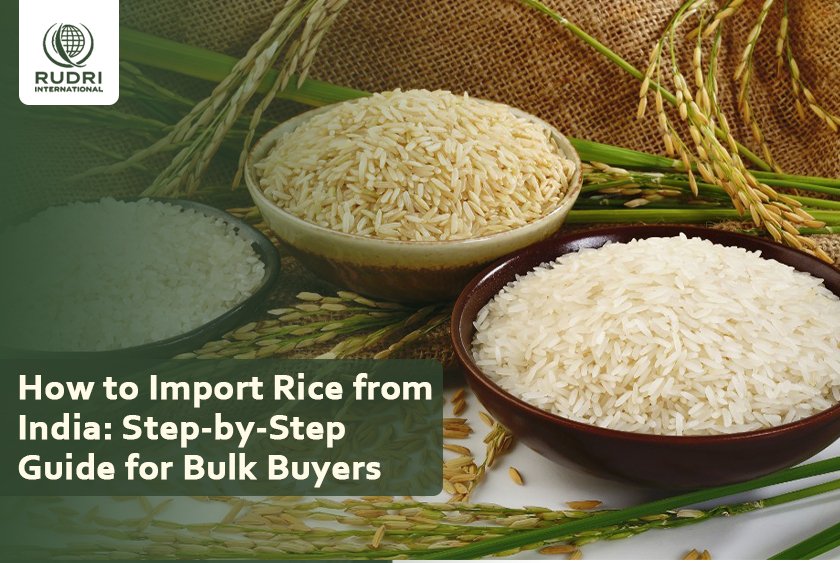
How to Import Rice from India: Step-by-Step Guide for Bulk Buyers
India has long been the world’s rice powerhouse, producing varieties that are highly sought after across the globe. From aromatic Basmati to versatile Non-Basmati and specialty rice, the demand for Indian rice continues to grow among bulk buyers, distributors, and food businesses. While the prospect of importing rice from India may seem straightforward, the process involves several critical steps—from understanding regulations to coordinating with exporters and logistics partners. This guide explains how to import rice from India, offering a step-by-step overview designed for bulk buyers navigating international trade.
Understanding the Indian Rice Export Market
India accounts for a significant share of global rice exports, with states such as Punjab, Haryana, Andhra Pradesh, and West Bengal playing a major role in production. Each year, large volumes of rice are shipped internationally, including Basmati, Non-Basmati, organic, and parboiled varieties.
Market dynamics vary based on quality grades, seasonality, and global supply-demand conditions. Basmati rice is typically positioned in premium segments due to its aroma, grain elongation, and aging characteristics, while Non-Basmati rice is widely used for bulk consumption and industrial applications. Awareness of these market differences helps importers align sourcing decisions with end-use requirements.
Identifying the Right Supplier
Selecting a reliable rice exporter is a critical step in the import process, as factors such as export experience, compliance knowledge, and communication standards directly impact shipment outcomes. Importers often follow a structured approach when evaluating rice exporters in India to reduce operational risks.
Working with an exporter that understands documentation requirements, quality checks, and shipment coordination can simplify the overall process. Exporters such as Rudri International support buyers by assisting with supplier coordination, export documentation, and compliance alignment, helping importers navigate the sourcing process more efficiently.
Step 1: Understanding Import Regulations and Compliance
Before confirming an order, buyers should understand both Indian export regulations and the import requirements of their destination country. Indian rice exports generally require documentation such as phytosanitary certificates and compliance with applicable quality standards. Import-side requirements may include customs duties, import licenses, inspections, and food safety approvals depending on local regulations.
Proper compliance helps avoid delays, rejections, and unnecessary handling issues during transit.
Step 2: Determining the Right Rice Type and Quantity
The choice of rice variety depends on the target market, storage capacity, and intended use. Basmati rice is commonly supplied to premium retail and foodservice segments, while Non-Basmati and parboiled rice are more suitable for large-scale distribution and industrial buyers.
Importers should also consider packaging formats, shelf life expectations, and storage infrastructure when planning shipment volumes to reduce handling challenges and wastage.
In some markets, specific varieties such as Sona Masoori are commonly used for bulk distribution due to their cooking characteristics and price positioning.
Buyers comparing options may refer to Sona Masoori rice for bulk buyers to better understand suitability for their market.
Step 3: Understanding Trade Terms and Cost Components
Familiarity with international trade terms such as FOB (Free On Board), CIF (Cost, Insurance, Freight), and EXW (Ex Works) is essential. These terms define responsibilities related to transportation, insurance, and risk transfer between buyer and seller.
Understanding how logistics, insurance, port handling, and customs procedures contribute to overall landed costs allows buyers to plan imports more effectively without unexpected operational issues.
Step 4: Quality Inspection and Certification
Quality inspection plays a central role in bulk rice imports. Depending on the destination market, shipments may require pre-shipment inspections, laboratory testing, or third-party certification such as ISO or HACCP compliance.
Ensuring that required quality documentation is in place helps confirm that shipments meet export and import standards, reducing the risk of disputes or rejections.
Step 5: Logistics and Shipping
Bulk rice shipments are commonly transported via sea freight due to cost efficiency for large volumes, while air freight may be used in limited cases for smaller or time-sensitive consignments. Proper packaging—such as polypropylene or jute bags and containerized loading—helps protect rice from moisture and contamination.
Shipping timelines vary by destination and port conditions. Coordinating logistics with experienced export partners helps maintain visibility and reduce transit-related uncertainties.
Step 6: Customs Clearance and Delivery
Customs clearance typically requires submission of commercial invoices, packing lists, bills of lading, certificates of origin, and quality-related documents. Accurate and timely paperwork supports smoother clearance and minimizes storage or demurrage costs.
Post-clearance, appropriate handling and storage arrangements are essential to maintain product quality until final distribution.
Step 7: Market Integration and Distribution Planning
After import, buyers should align product positioning with local market demand. Basmati rice may be targeted toward premium retail or hospitality segments, while Non-Basmati rice is often supplied to institutional or industrial buyers.
Clear distribution planning helps ensure consistent supply, quality preservation, and effective market entry.
Tips for Smooth Bulk Rice Importing
- Work with exporters familiar with international documentation and compliance
- Plan for seasonal availability variations
- Stay informed about regulatory changes in destination markets
- Monitor global rice trade trends to support procurement planning
Common Challenges and How to Avoid Them
Bulk rice importing may involve challenges such as:
- Customs delays: Reduced through accurate documentation and regulatory compliance
- Quality variations: Managed through inspections and specification alignment
- Payment and currency risks: Mitigated through appropriate contractual and financial planning
Proactive planning and coordination help convert these challenges into manageable operational steps.
Why Work with Rudri International for Bulk Rice Imports from India
Rudri International assists bulk rice buyers by supporting the sourcing and export process from India. Through structured coordination, documentation support, and compliance-focused processes, the company helps importers navigate international rice trade with greater clarity.
Buyers looking to discuss their specific import requirements can contact Rudri International to understand the next steps.
Conclusion
Importing rice from India involves multiple coordinated steps, from understanding regulations and selecting suitable rice varieties to managing logistics and customs clearance. With proper planning and support from experienced export partners such as Rudri International, bulk buyers can navigate the process more efficiently and with reduced operational risk.
A structured approach to sourcing, compliance, and logistics helps ensure smoother imports and supports long-term supply stability in international rice trade.
Frequently Asked Questions (FAQs)
1. How do you import rice from India for business purposes?
Importing rice from India involves identifying a compliant exporter, selecting the appropriate rice variety, understanding export and import regulations, completing required documentation, arranging quality inspections, and coordinating logistics and customs clearance. Businesses importing rice in bulk typically follow a structured, step-by-step process to ensure smooth international trade operations.
2. What documents are required for importing rice from India?
Common documents required when importing rice from India include a phytosanitary certificate, certificate of origin, commercial invoice, packing list, bill of lading, and any destination-specific food safety or import approvals. Exact documentation requirements may vary depending on the importing country’s regulations.
3. What types of rice are commonly exported from India?
India exports a wide range of rice varieties, including Basmati rice, Non-Basmati rice, parboiled rice, and organic rice. Basmati rice is generally supplied to premium retail and foodservice markets, while Non-Basmati rice is widely used for bulk consumption, institutional buyers, and industrial applications.
4. How long does it take to ship rice from India to other countries?
Shipping timelines for rice imports from India depend on the destination country, port conditions, and shipping method. Sea freight is commonly used for bulk rice shipments and transit times can vary by region. Proper documentation and logistics coordination help avoid unnecessary delays during transit and customs clearance.
5. How can buyers reduce risks when importing rice from India?
Buyers can reduce risks by working with exporters familiar with international compliance, ensuring quality inspections are completed before shipment, preparing accurate documentation, and staying informed about import regulations in their destination market. Clear communication and structured planning play a key role in successful bulk rice imports.