



What Is Sona Masoori Rice? A Complete Guide for Buyers
Introduction
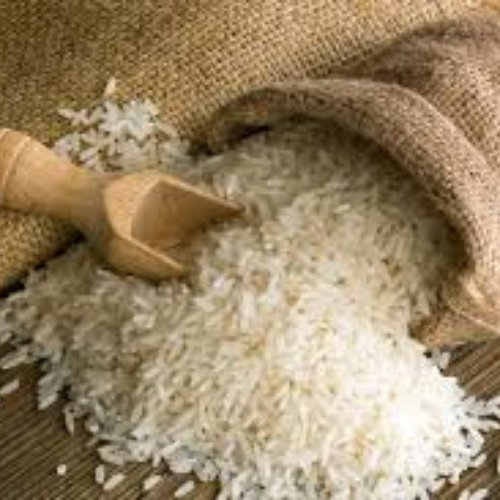
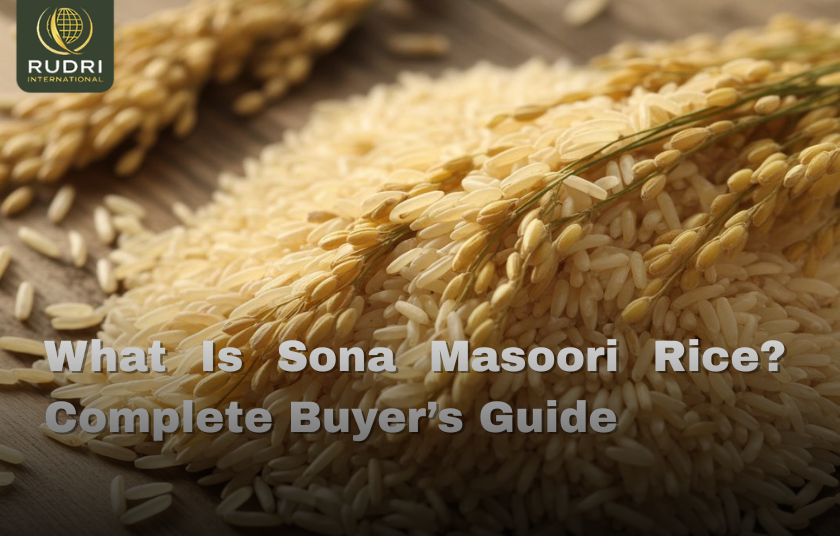
Imagine stepping into a bustling Indian grain market, where the air is filled with subtle aromas of fresh rice. Among the many varieties, Sona Masoori rice stands out—not just for its fragrance but for its light texture, medium-grain elegance, and versatility in cooking. Cultivated mainly in Andhra Pradesh and Karnataka, it’s a favorite for both everyday meals and high-end culinary creations worldwide.
For buyers, chefs, and exporters, understanding Sona Masoori rice in detail is crucial. This guide not only explains its origin, characteristics, and benefits but also provides a step-by-step roadmap for buying the right grade, choosing suppliers, and making informed decisions that combine quality with cost-efficiency.
Benefits & Insights
Nutritional Profile & Health Benefits
Sona Masoori rice is a low-starch, medium-glycemic index (GI) rice, making it gentle on digestion and ideal for daily consumption. Its lightweight grains support weight management, and it is often preferred in diabetic-friendly diets. Compared to Basmati rice, it contains slightly fewer calories per 100g, making it a healthier alternative without compromising taste or texture.
Cooking Versatility
Sona Masoori adapts to a wide range of dishes: soft and fluffy steamed rice, traditional South Indian meals, and biryanis. Unlike sticky Jasmine rice or long-grain Basmati, Sona Masoori offers a delicate aroma and medium fluffiness.
Mini Story Example:
A London-based chef experimented with Sona Masoori in a South Indian menu. Customers immediately noticed the difference—softer texture, lighter feel, and a subtle aroma that elevated the dishes. This real-world example shows why the rice is increasingly favored in global kitchens.
Market Popularity
Globally, Sona Masoori’s export market has been growing steadily at a CAGR of approximately 6–7%, reflecting rising international awareness of its quality. Countries like UAE, US, and UK are major importers, with the export volume from India exceeding 300,000 metric tons annually.
Step-by-Step Guide to Buying Sona Masoori Rice
Step 1: Understand What Sona Masoori Rice Is
Sona Masoori rice is medium-grain, lightweight, and slightly aromatic, traditionally grown in the southern Indian states of Andhra Pradesh and Karnataka. It’s a staple in Indian households and has earned recognition for its versatility and nutritional benefits.
Step 2: Identify Your Purpose & Usage
Determine whether your need is for daily cooking, specialty dishes like biryanis, retail, or export. Comparing with other rice types—Basmati, Jasmine, Ponni—can help match texture and aroma preferences. For instance, Basmati elongates when cooked, Jasmine is sticky, and Sona Masoori is naturally fluffy.
Step 3: Learn About Grades & Varieties
- Premium vs Regular: Premium has fewer broken grains and stronger aroma; ideal for export and high-end culinary use.
- Raw, Parboiled, Polished: Parboiled retains nutrients better; raw offers softer texture.
- Impact on Price: Premium grades can be 10–15% costlier than regular grades.
Step 4: Check Sourcing & Quality Indicators
- Growing Regions & Seasonal Availability: Harvests mainly in Andhra Pradesh and Karnataka; peak season affects quality.
- Quality Checks for Buyers:
- Moisture Content: <14% ideal to prevent spoilage.
- Broken Grains: Premium ≤2%, Regular ≤5%.
- Foreign Matter: Minimal for top quality.
- Aroma & Color: Fresh, lightly aromatic grains indicate authenticity.
Step 5: Choose Packaging & Storage Options
- Pack Sizes: 5kg, 10kg, 25kg commonly available.
- Packaging Types: Vacuum-sealed, poly bags, branded packs.
- Storage Tips: Cool, dry areas prevent mold and spoilage; airtight containers extend shelf life up to 12 months.
Step 6: Compare Prices & Market Trends
- Domestic Price Range: Regular Sona Masoori: ₹50–₹60/kg, Premium: ₹65–₹80/kg.
- Export Prices: $600–$750 per metric ton, depending on grade and packaging.
- Seasonal Fluctuations: Prices can spike post-monsoon due to harvest shortages.
- CAGR Insight: Indian Sona Masoori export volume growing at 6–7% annually, reflecting strong global demand.
Step 7: Select the Right Supplier
- Verification: Check experience, certifications (FSSAI, ISO, organic), reviews.
- Domestic vs International Suppliers: Export capabilities, logistics support, and shipping timelines are key.
- Negotiation Points: Minimum order quantity (MOQ), payment terms, packaging, shipping.
Step 8: Address Common Doubts & Pain Points
- Price Differences: Stem from grade, sourcing region, and supplier.
- Parboiled vs Raw: Parboiled retains nutrients; raw is softer.
- Shelf Life: Premium, vacuum-packed rice lasts up to 12 months, regular up to 9 months.
- Avoiding Counterfeit: Always request sample batches, verify certifications, and check supplier credibility.
Step 9: Final Checklist Before Buying
- Confirm intended use matches rice grade.
- Verify supplier reliability and certifications.
- Inspect quality indicators in sample batches.
- Compare prices, packaging, and shipping options.
Step 10: Make the Purchase & Plan Storage
- Place order based on checklist.
- Inspect shipment upon arrival.
- Store in cool, dry conditions; test-cook to ensure aroma and texture meet expectations.
Case Study
A European wholesaler sourced Sona Masoori rice from Andhra Pradesh. By selecting premium-grade raw rice with ≤2% broken grains, vacuum-sealed in 10kg packs, they maintained consistent quality. Repeat orders reached 85% of clients, showcasing the importance of grade, packaging, and supplier reliability. Shipment inspection and lab verification ensured compliance, reducing complaints and losses.
Recent Trends
- Export Growth: India exports 300,000+ metric tons annually, mainly to UAE, US, UK, and Canada.
- CAGR: 6–7% growth in international demand year-on-year.
- Domestic Trends: Health-conscious consumers prefer low-starch, medium-GI rice like Sona Masoori.
- Innovation: Ready-to-cook Sona Masoori meals are gaining popularity due to fast cooking and consistency.
Interesting Facts
- Sona Masoori is lightweight and low-calorie, ideal for portion control.
- Traditional farming methods in select regions reduce chemical fertilizer use.
- Its subtle aroma differentiates it from Basmati and Jasmine rice.
- Parboiled Sona Masoori retains 20–25% more nutrients than raw varieties.
- Popular in ready-to-cook meals globally for quick cooking and mild flavor.
Closing Thoughts
Buying Sona Masoori rice successfully requires understanding its varieties, grades, and quality indicators. Following this step-by-step guide ensures informed decisions, whether for household use, culinary ventures, or export.
When sourcing reliable suppliers, Rudri International stands out. With verified farms, lab-tested batches, AI-driven logistics, and global compliance, they help buyers navigate the entire process seamlessly. Leveraging this guide alongside a trusted supplier guarantees not only premium-quality rice but also consistent customer satisfaction, peace of mind, and efficient business operations.