


Jeera Samba Rice Exporter Guide: Sourcing Authentic Seeraga Samba
If you’ve been watching global food trends, you’ve probably noticed something interesting: buyers around the world are moving beyond the “usual suspects” like Basmati and Jasmine and hunting for specialty regional grains. And right at the center of this wave sits Seeraga Samba—Tamil Nadu’s tiny, aromatic grain with a cult following among biryani lovers.
Over the last 3–5 years, this rice has quietly become one of the most requested products from wholesalers and importers. And that’s exactly why being a jeera samba rice exporter in India is now a high-value, fast-moving opportunity—especially if you can guarantee Export Quality Jeera Samba Rice consistently.
This guide walks through everything buyers and exporters need to know—quality specs, sourcing, pricing, logistics, and how to avoid adulterated or misrepresented rice in the market.
1. Understanding Seeraga Samba: Origin, Identity & Cultural Roots
1.1 What Makes Seeraga Samba Unique?
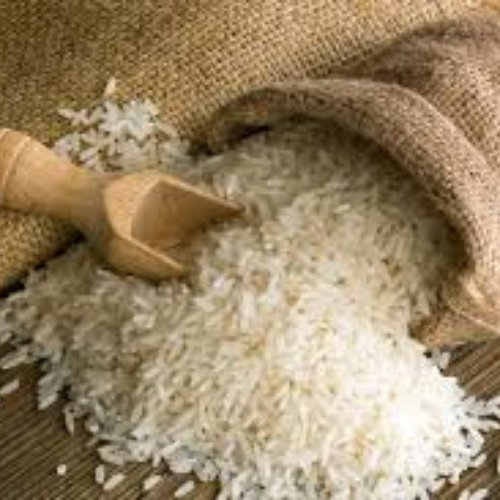
Seeraga Samba (also known as Jeera Samba) is a short, thin, oval rice variety named after “jeera” (cumin seeds), which the grains resemble.
Its biggest selling points:
- Aroma: Deep, earthy fragrance with a subtle sweetness
- Texture: Firm after cooking, holds shape—perfect for biryani
- Flavor Profile: Absorbs masalas beautifully without turning mushy
Unlike Basmati (long-grain and fluffy) or Sona Masoori (light and soft), Seeraga Samba is dense, aromatic, and carries a richer mouthfeel. In Tamil Nadu, it’s the undisputed choice for wedding biryanis and special occasions—its cultural value alone fuels demand.
1.2 Production Regions in India
Almost 90% of Seeraga Samba comes from Tamil Nadu, especially:
- Thanjavur
- Trichy
- Dindigul
These districts have the perfect trifecta for cultivation: humid air, delta soil, and mineral-rich water bodies. Annual production fluctuates between 60,000 to 80,000 metric tons, depending on rainfall.
2. Jeera Samba Rice Specifications (Export Standards)
2.1 Physical & Chemical Specifications
Global buyers are picky—this grain must meet specific benchmarks:
- Length-to-width ratio: Short, thick, oval
- Moisture content: 12%–14%
- Purity: Minimum 95% for export batches
- Aroma compounds: High natural volatile compounds (measured in lab tests)
- Milling quality: Well-polished, minimal broken grain percentage
2.2 Export Quality Requirements
To qualify as Export Quality Jeera Samba Rice, exporters must follow:
- Certifications: FSSAI, APEDA, ISO (preferred by importers)
- Packaging: 5kg, 10kg, 25kg, 50kg laminated or BOPP bags
- Loading/Handling: Avoid high-humidity exposure; use food-grade containers
- Container Types: Ventilated or dry containers with moisture-absorbing liners
3. Market Demand & Global Trade Insights
3.1 Rising Demand for Specialty Rice
Specialty rice exports from India have grown 22%+ CAGR over the past decade. Seeraga Samba in particular is trending in:
- UAE
- Singapore
- Sri Lanka
- USA
- UK & EU ethnic markets
Global retail value of Seeraga Samba is projected to cross USD 500 million by 2030 due to rising South Indian diaspora demand.
3.2 Why Importers Prefer the Best Quality Seeraga Samba Rice
The global biryani boom plays a massive role here. Authenticity matters. Chefs prefer Seeraga Samba because:
- Aroma consistency is unmatched
- Texture holds up perfectly in long, layered cooking
- It fits the “premium grain” consumer shift
4. Identifying Authentic, Best-Quality Seeraga Samba
4.1 Visual & Sensory Identification
Real Seeraga Samba has:
- Light brownish-white grains
- Uniform tiny oval shape
- Signature earthy aroma
- Zero stickiness when rubbed
4.2 Adulteration Challenges
Because demand is rising and supply is limited, adulteration is common. Exporters must watch out for:
- Mixed batches containing boiled rice or off-season produce
- Similar short-grain substitutes like Jeeraga Chamba
- Artificial aromatic sprays (a red flag)
Lab testing indicators to check:
- Purity %
- Moisture
- Aflatoxin levels
- Aroma volatility
- Grain size distribution
5. Sourcing Guide: Finding Reliable Suppliers in India
5.1 Supplier Verification Checklist
Before partnering with mills or aggregators, exporters should verify:
- Years in operation
- Daily/weekly milling capacity
- Certifications: FSSAI, APEDA, ISO
- Previous export track record
- Ability to provide COA (Certificate of Analysis)
5.2 Evaluating Wholesale Seeraga Samba Rice Quality
Sample testing is critical for:
- Grain uniformity
- Polishing level
- Aroma freshness
- Broken grain percentage
Inspect storage areas for pests, odor contamination, and moisture.
5.3 Mandis vs. Mills vs. Private Exporters
Each sourcing channel comes with trade-offs:
- Local Mandis: Lower price but inconsistent quality
- Direct Millers: Reliable but higher MOQs
- Private Exporters: Best for international buyers seeking full documentation, quality assurance, and logistics handling
6. Pricing Breakdown: Wholesale Seeraga Samba Rice
6.1 Domestic vs. Export Prices
Typical wholesale prices:
- Domestic: ₹110–₹160/kg (depending on season)
- Export: USD 1.9–USD 3.2 per kg FOB
Price fluctuators:
- Monsoon performance
- Festival seasons
- Demand from Gulf countries
- Transport and milling upgrades
6.2 Freight, Handling & Documentation Costs
Export cost elements:
- FOB vs CIF differences
- Packaging upgrades
- Container fumigation
- Port handling charges
- Freight insurance
Value-added services like polishing, grading, and custom branding increase margins.
7. Logistics & Documentation for Jeera Samba Exporters
7.1 Shipping Requirements
To preserve aroma and integrity:
- Use moisture-barrier packaging
- Vacuum or nitrogen flushing for premium orders
- Opt for dry containers with liners
7.2 Documentation Checklist
Every shipment must include:
- Certificate of Origin
- FSSAI/FDA compliance (market dependent)
- Phytosanitary certificate
- Fumigation report
- Bill of Lading
- Commercial Invoice & Packing List
- Insurance (if CIF)
8. Quality Assurance for Exporters
8.1 Mandatory Quality Checks
Exporters should conduct:
- Moisture analysis
- Grain length measurement
- Purity assessment
- Shelf-life evaluation
8.2 Storage & Preservation
Proper storage keeps rice export-ready:
- 60–70% humidity control
- Odor-free warehouses
- Regular fumigation
- Palletized stacking to prevent moisture exposure
9. Building a Brand as a Jeera Samba Rice Exporter in India
9.1 Positioning Your Product
Branding works best when exporters highlight:
- Origin authenticity
- Region-specific sourcing
- Farm-to-port transparency
9.2 Marketing to International Buyers
Strong buyers prefer:
- Verified certifications
- Clear product specs
- Strong digital presence
- Sample availability
- Fast documentation support
10. Final Checklist for Exporters & Buyers
Before any deal closes:
- Verify authenticity of the grain
- Confirm certifications
- Cross-check logistics timelines
- Assess pricing + freight terms
- Review supplier documentation quality
Conclusion
Authentic Seeraga Samba has become a premium, globally demanded grain — and only exporters who maintain strict sourcing integrity, region-specific procurement, and airtight documentation will stay ahead in this category. As international buyers become more aware of quality variations, choosing verified suppliers isn’t optional anymore — it’s the foundation of sustainable trade.
If you're exploring suppliers, Rudri International stands out as a trusted export partner with end-to-end quality assurance. Their process — from farm audits to batch-level lab testing — makes sourcing significantly safer for importers who demand consistency.
For buyers who need Export Quality Jeera Samba Rice with complete paperwork, Rudri International offers sample testing, specification-compliant shipments, and smooth logistics across major global ports. Their sourcing network in Tamil Nadu’s key Seeraga Samba belts gives them a pricing and quality advantage many buyers actively look for.
If you're ready to source premium, authentic Seeraga Samba with verified documentation, Rudri International makes the process reliable, transparent, and export-ready from day one.