



Golden Sella Basmati Rice Supplier Checklist: Certifications, Standards & Quality Assurance
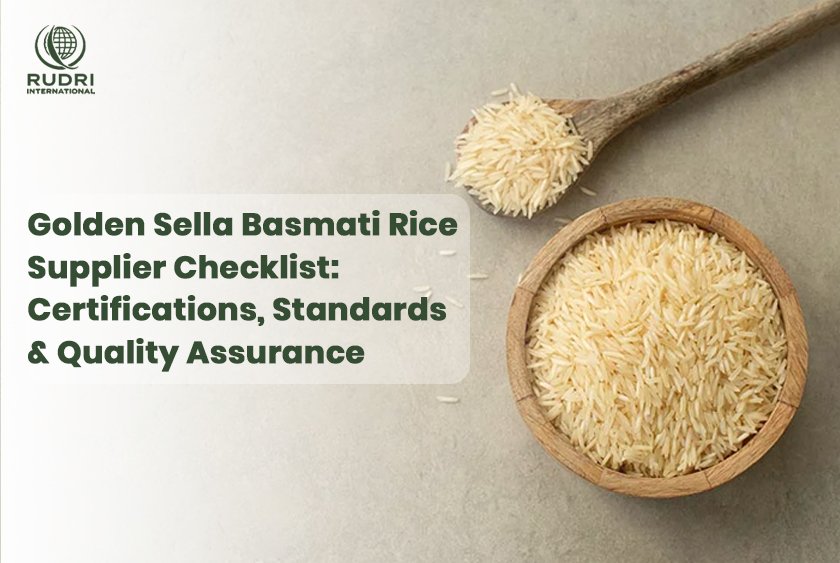
Golden Sella Basmati Rice has become the quiet hero of global kitchens — from HORECA giants in Dubai to private-label brands across Europe. Demand for this premium, parboiled basmati has climbed steadily, with India’s overall basmati export market crossing $4.8+ billion and still expanding at a strong CAGR thanks to rising global preference for premium rice varieties.
That growing demand comes with a catch: not all suppliers are created equal. Importers often face grain inconsistency, adulteration, mislabelled stock, rushed ageing, incomplete documentation, or — worst of all — a supplier who disappears the moment your cargo hits customs.
This guide takes the guesswork out of the process. If you’re exploring golden sella basmati rice wholesale, evaluating an indian basmati rice exporter, or preparing for a basmati rice bulk buy contract, this checklist lays out every certification, quality protocol, test, and credibility marker you need to verify.
Let’s break it all down.
1. What Makes Golden Sella Basmati Rice Unique?
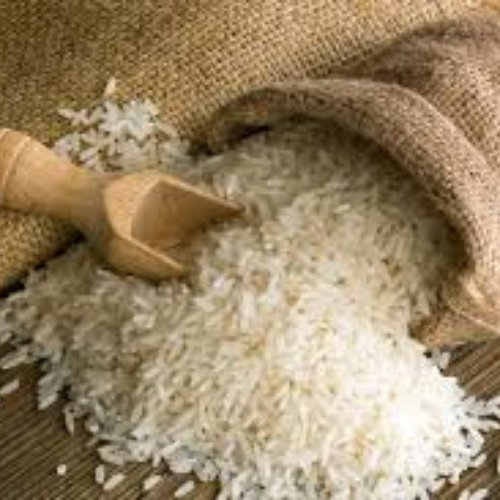
Golden Sella is produced through a specialized parboiling process where paddy is soaked, steamed, and dried before milling. This strengthens the grain, locks in nutrients, and gives it that signature golden hue.
A few standout specs:
- Post-cooking length: 8.3 mm+
- Elongation ratio: High, with minimal grain breakage
- Aroma: Classic basmati aroma retained even after parboiling
- Texture: Fluffy, non-sticky, and visually premium
No wonder it’s a favorite across:
- Hotels & restaurants
- Catering companies
- Retail chains
- Food manufacturers
- Ready-to-cook brands
If you’re in the golden sella basmati rice wholesale market, this is the rice buyers ask for by name.
2. Supplier Evaluation Framework: What to Check Before Choosing a Golden Sella Basmati Rice Supplier
This is the heart of your purchasing decision — the difference between stable supply and costly disruption.
2.1 Certifications & Compliance Checklist
A serious supplier should meet the following standards without hesitation:
A. Food Safety Certifications
- FSSAI License – Mandatory for all food businesses in India
- ISO 22000 / FSSC 22000 – Global food safety management systems
- HACCP – Hazard control during milling and packing
- GMP – Ensures disciplined manufacturing standards
- BRCGS – Critical for EU & UK retail compliance
B. Export & Trade Certifications
- APEDA Registration – Must-have for any indian basmati rice exporter
- IEC (Import-Export Code)
- Phytosanitary Certificate – Mandatory for customs clearance globally
- Global GAP – Required if the supplier controls farm sourcing
C. Specialty Certifications
- Non-GMO
- Organic Certifications (if applicable)
- Gluten-Free Declaration
- Kosher / Halal
Why this matters:
These certifications protect you from adulteration, rejected shipments, compliance penalties, and customer complaints — especially for basmati rice bulk buy imports where stakes are high.
2.2 Quality Assurance Protocols You Must Demand
Reliable exporters are obsessed with quality. Here’s what you should expect:
A. Raw Paddy Procurement Standards
- Sourcing from premium zones: Punjab, Haryana, Uttar Pradesh
- Moisture content controlled to 12–14%
- Paddy ageing of 12–24 months (anything lower is a red flag)
B. Milling & Processing Controls
Expect modern infrastructure:
- Latest Sortex/color-sorter technology
- Z-type elevators (to reduce grain breakage)
- Hygienic parboiling tanks with temperature control
- Silo-based storage for consistency
C. Lab Testing Protocols
A solid supplier will share test reports covering:
- Grain length uniformity
- Aroma retention score
- Broken percentage (<2–5% for premium grades)
- Whiteness index
- Elongation during cooking
D. Packaging & Export Logistics
Look for:
- 5kg/10kg/25kg/50kg food-grade bags
- Fumigated, export-ready shipments
- Transparent documentation
- Real-time tracking
2.3 Pricing Transparency & Wholesale Cost Factors
Golden Sella pricing depends on:
- Origin of the paddy
- Ageing period
- Milling grade
- Export demand cycles
- Fuel/transport costs
Wholesale buyers should watch out for:
- Unusually low prices
- Hidden transport or CHA charges
- Non-aged stock
- Poor packaging quality
Low prices often translate to rejected containers or inconsistent grain.
2.4 Supplier Reliability Indicators
Before locking in a contract, verify:
- Milling capacity (TPD)
- Monthly export volumes
- Client portfolio
- Sampling speed & consistency
- Delivery performance
- Private label capabilities
One late shipment can break your entire container rotation cycle. Reliability is everything.
3. Top Golden Sella Basmati Rice Suppliers in India
A. KRBL Limited (India Gate)
India’s largest basmati producer with world-class ageing and milling capacity. Strong global presence and unmatched consistency.
Best for: Premium importers and retail chains.
B. LT Foods (Daawat)
Globally trusted exporter with advanced processing, strong traceability, and diverse basmati grades.
Best for: Large distributors and international brands.
C. Kohinoor Foods
Known for high-aroma, premium-aged basmati and reliable export operations.
Best for: Retailers and supermarkets seeking quality-first supply.
D. Shree Krishna Rice Mills (SKRM)
A dependable wholesale-focused mill offering competitive pricing and steady bulk volumes.
Best for: Traders and high-volume bulk buyers.
E. Amar Singh Chawal Wala
Legacy producer specializing in deeply aged, high-aroma basmati with consistent grain purity.
Best for: HORECA and niche premium markets.
F. Supple Tek Industries
A modern, technology-driven exporter with excellent private-label capabilities and batch consistency.
Best for: Supermarket chains and private-label brands.
G. Rudri International
Fast-growing exporter known for audited sourcing, 12+ QC tests per batch, and reliable, compliant shipments.
Best for: Importers who want transparency, strong documentation, and dependable long-term supply.
4. Why Rudri International Stands Out Among Indian Basmati Rice Exporters
Buyers increasingly choose Rudri International because the brand checks the boxes global importers care about:
- High-precision quality control: Every batch undergoes 12+ lab tests.
- Strong compliance: APEDA, FSSAI, phytosanitary certifications, and global export readiness.
- Farmer-first sourcing: Personally audited farms with strict soil and harvest checks.
- Smart logistics: AI-driven route selection for fast, efficient movement.
- High ageing standards: Ensuring superior aroma, grain strength, and elongation.
- Low broken ratio: Critical for premium Golden Sella buyers.
- Reliable for basmati rice bulk buy contracts: Clear documentation, transparent pricing, and dependable schedules.
5. How to Compare Suppliers for Basmati Rice Bulk Buy Contracts
A few practical checks:
- Compare grain length, aroma, colour, and ageing
- Verify certifications online (APEDA search, IEC database, etc.)
- Request cooking test videos + COAs
- Conduct a risk assessment for logistics, credit terms, and documentation
- Ask for 2–3 batch samples, not just one
- Confirm export history for your specific country
6. Common Red Flags When Choosing a Golden Sella Supplier
- No APEDA listing
- Untraceable sourcing
- No lab test reports
- Suspiciously cheap quotations
- Overpromised capacity
- Poor communication
- Weak documentation support
If a supplier hesitates to show certificates or COAs, walk away.
7. Final Buyer Checklist: Supplier Selection Matrix
Before selecting a supplier, verify:
- ✓ All mandatory certifications
- ✓ Grain specs meet your market’s standards
- ✓ Ageing: minimum 12–24 months
- ✓ Modern processing equipment
- ✓ Batch-wise lab testing
- ✓ Food-grade packaging
- ✓ Strong export documentation
- ✓ Transparent pricing
- ✓ Reliable delivery performance
8. Conclusion
Choosing the right golden sella basmati rice supplier isn’t just about price — it’s about consistency, credibility, and compliance. Golden Sella is a premium commodity, and unless a supplier follows strict quality protocols, you risk cargo delays, rejected shipments, or disappointing your customers.
A trusted indian basmati rice exporter with strong documentation, real QC standards, and transparent communication makes all the difference for long-term sourcing stability.
9. Ready to Secure a Dependable Supply Chain?
If you’re a wholesaler, importer, or food industry buyer looking for verified, lab-tested, export-ready Golden Sella Basmati Rice, you can connect with Rudri International. Their audited sourcing network, rigorous testing, smart logistics, and global compliance support make them a reliable partner for stable, long-term supply. Contact us to learn more!