



Garlic Powder Export from India: 2026 Market Guide for Global Buyers
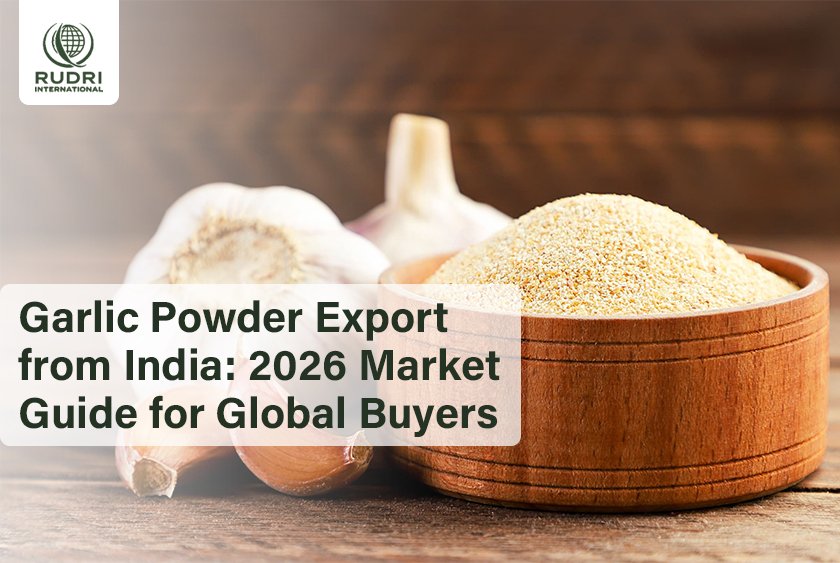
As global food manufacturers, seasoning brands, and bulk-ingredient buyers plan sourcing for 2026, garlic powder export from India remains a compelling option. India combines scale, competitive pricing, and wide processing capability - but success for importers depends on choosing the right garlic powder supplier and locking down specs, compliance, and logistics up front. This guide gives you a practical, commercial roadmap: what to expect, what to require, and how to convert a trial into a stable supply line.
Market snapshot - quick, trade-focused perspective
India is a major garlic producer and a growing supplier of processed garlic products (including flakes, granules, and powder). Recent market data show India exporting substantial quantities of garlic (fresh and processed) and a steady number of processed-garlic shipments year-on-year - useful context when assessing supplier capacity and seasonality.
Top commercial destinations for Indian garlic powder shipments include the United States, UAE, and Canada, among others - markets that regularly import processed garlic for food manufacturing and spice blends. Knowing which markets Indian exporters already serve helps predict packaging, documentation, and lab-testing practices.
Price signals for dehydrated garlic powder vary by quality, mesh size, and season; recent trade listings show prices in the ballpark of ~$1.20–$1.80 per kg for standard export-grade dehydrated powder (rising to ~$2.50+ for premium spray-dried or retail grades). Use this as a market indicator - always confirm current quotes.
Finally: India’s spice-export sector overall has been growing in value, which supports improved export infrastructure and compliance readiness among processors - a positive for buyers seeking stable partners.
How dehydrated garlic powder is made - why process controls matter
Most internationally traded garlic powder is dehydrated before grinding; dehydration preserves flavor and extends shelf life, while controlled grinding delivers the mesh size your application needs.
Key steps buyers should ask suppliers about:
- Raw garlic grade and sourcing: (origin state, harvest window).
- Cleaning, peeling and slicing methods: (mechanized lines reduce foreign matter).
- Drying technology (hot-air vs. vacuum): drying profile affects flavor and color.
- Moisture control: (final moisture is critical for shelf life and anti-caking).
- Grinding, sieving and batch traceability.
- Final packing: (inner liners, nitrogen flushing, vacuum options).
Ask for a simple process flow diagram and the supplier’s in-house QC checkpoints - this separates casual packers from professional exporters.
What specifications to insist on (commercial checklist)
These are the practical specs that matter to buyers and to customs/quality teams:
- Moisture: specify a maximum (commonly ≤6%).
- Mesh size: define (e.g., 60/80/100/120 mesh) and request a sample to verify mouthfeel/aroma for your product.
- Odor/flavor: pungent, garlic-forward; include sensory acceptance criteria if you require strict uniformity.
- Foreign matter: zero tolerance or contractually defined limits.
- Shelf life: 12–24 months depending on packaging and storage - confirm with COA and stability data.
- Contaminants & residues: pesticide MRLs, heavy metals, and microbial limits per destination rules.
- Packaging: 20–25 kg food-grade multi-layer bags with PE liner; ask about FIBCs or retail-ready pouches if needed.
Insist on a Certificate of Analysis (COA) for each commercial batch and, if necessary, a third-party pre-shipment test for critical contaminants.
Certifications, compliance & destination rules
Different importing countries expect different documentation. Before you sign an order, confirm your supplier can reliably provide:
- Mandatory domestic approvals: (FSSAI registration in India) and facility-level certifications (HACCP, GMP, ISO).
- Import-relevant paperwork: e.g., FDA-compliant labelling and COAs for U.S. buyers; EU-compliant residue and safety declarations for Europe.
- Phytosanitary and customs documents where required.
A supplier familiar with the paperwork of your target market saves time and reduces inspection holds at ports.
Packaging, shelf life and logistics tips
Packaging is both a cost and a quality lever. For most industrial buyers:
- Bulk export packing: 20–25 kg multi-layer kraft bags with inner PE liner (standard).
- Enhanced shelf life: nitrogen flushing or vacuum-sealed inner liners; use if shipping to hot climates or long transit times.
- Labelling: include batch number, production date, best-before, and COA reference.
Logistics tips:
- Negotiate lead times across seasons: harvest windows can shorten lead times on raw material and increase prices.
- Use staggered shipments for new suppliers while testing consistency.
- Clarify INCOTERMS (FOB, CFR, CIF) and who pays for pre-shipment inspection.
Commercial terms, risk reduction & payments
Start conservatively:
- Trial order: a small commercial trial (commonly 1–5 metric tonnes for commercial testing; smaller amounts for R&D) to verify quality and logistics.
- Payment terms: consider partial LC or documentary collection for first orders; open account only after relationship trust is built.
- Quality clauses: include rejection criteria, allowance for re-tests by independent labs, and dispute-resolution mechanisms.
- Scaling: once samples and COAs are validated, move to staggered contracts with agreed monthly volumes to secure capacity.
A supplier willing to accept sensible quality protections and transparent dispute handling is much more valuable than the cheapest offer.
2026 buyer trends to factor into sourcing
- Clean-label & minimal processing: demand for additive-free or single-ingredient claims is growing among retail brands.
- Traceability: buyers increasingly require farm-to-factory traceability or at least clear batch trace logs.
- Sustainability: recyclable packaging and supply-chain ESG practices are becoming purchasing differentiators.
- Flavor consistency: private-label brands demand batch-to-batch aroma uniformity - request sensory profiles and production tolerances.
Selecting a supplier aligned with these trends reduces friction when your customers tighten specs.
Quick buyer checklist (before PO)
- [ ] Sample approved (sensory + lab).
- [ ] COA provided and reviewed.
- [ ] Confirmed mesh size & moisture limits.
- [ ] Certifications for destination markets verified.
- [ ] Packaging & transit plan agreed (nitrogen-flush if needed).
- [ ] Payment and inspection terms in contract.
- [ ] Agreed lead times and capacity assurances.
Why choose an experienced exporter
When you need consistent, repeated shipments, an experienced garlic powder supplier - one with export-grade hygiene, paperwork discipline, and repeat buyers in your market - will reduce delays, rejections, and unexpected costs. Rudri International offers export-ready dehydrated garlic powder with customizable mesh sizes, COAs, and support for regulated markets. Interested in bulk buying? Contact Rudri International for export pricing and supply details.
Note: If Garlic Powder is not listed in the enquiry form, please select “Garlic” and mention Garlic Powder in the message field.
FAQs
Q1: What is a reasonable trial order size for garlic powder imports from India?
A: For commercial testing, 1–5 metric tonnes is common; 100–500 kg samples are usual for sensory and R&D trials. Start with a small commercial shipment to validate logistics and batch consistency.
Q2: What moisture content should I require for export-grade dehydrated garlic powder?
A: Ask for a maximum moisture of ≤6% for most export-grade powders; lower moisture (4–5%) improves shelf life but may cost more.
Q3: Can Indian suppliers provide organic garlic powder and certification?
A: Yes - many processors offer certified organic lines. Verify the supplier’s organic certification scope (which crops/facilities) and ask for chain-of-custody documents to avoid cross-contamination.
Q4: Which mesh sizes are typical and how do I choose?
A: Common mesh sizes are 60–120 mesh. Choose coarser (lower mesh) for seasonings and coarser blends; finer mesh for instant-dispersible seasoning mixes and sauces.
Q5: What paperwork do I need for U.S. or EU imports?
A: U.S. buyers need FDA-compliant COAs, facility registration details, and appropriate labeling. EU buyers commonly require MRL compliance checks, COAs, and adherence to EU food-safety directives. Ask your supplier for destination-specific templates.
Q6: How long does shipping and lead time usually take?
A: Once samples and contract are confirmed, 2–6 weeks is typical depending on production schedule, packaging needs, and sea freight windows. Seasonal demand can extend lead times.
Q7: Are third-party lab tests recommended?
A: Yes. For first orders or sensitive markets, an independent pre-shipment test reduces risk and avoids disputes.
Q8: What price range should buyers expect for dehydrated garlic powder?
A: Prices vary with mesh, quality, and season; recent market listings indicate export-grade dehydrated powder around $1.20–$1.80 per kg as a ballpark (standard grades). Always request a live quote and confirm freight, duties, and packaging costs.