



Dry Ginger & Ginger Powder Export from India: Supplier Guide for Global Buyers (2026)
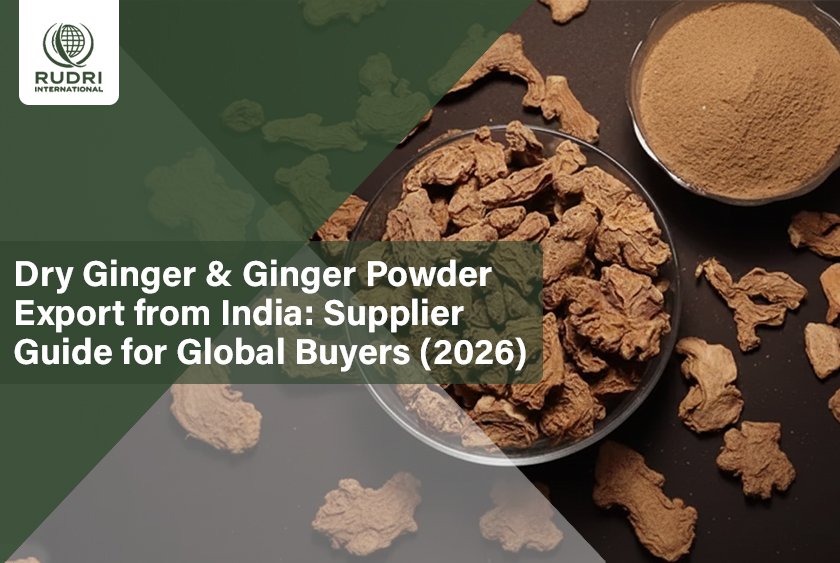
India is a global leader in the production and export of dry ginger and ginger powder, supplying high-quality products to markets across North America, Europe, the Middle East, and Asia. From food and beverages to pharmaceuticals, nutraceuticals, and cosmetics, Indian ginger is prized for its pungency, curcumin content, and consistent quality.
This guide provides actionable, step-by-step considerations to help global buyers source premium products while navigating quality, pricing, logistics, and supplier verification.
Step 1: Understand India’s Ginger Production Landscape
India’s ginger cultivation is concentrated in regions with fertile soil, moderate rainfall, and favorable temperatures. Key production hubs include Kerala, Karnataka, Meghalaya, and Himachal Pradesh, each producing ginger with distinct characteristics:
- Kerala: Known for aromatic, slightly milder ginger, mostly processed into dry ginger.
- Meghalaya: Famous for high-curcumin ginger, ideal for export due to its premium flavor and health benefits.
- Himachal Pradesh & Karnataka: Produce robust ginger for bulk trade and processing.
Production statistics: India produces approximately 800,000–850,000 metric tons of ginger annually, with dry ginger constituting about 10–15% of this output. Seasonal harvesting occurs from October to March, but processing methods allow for year-round availability.
Consideration for buyers: Selecting suppliers from specific regions helps align product characteristics with your target market requirements. For example, a European buyer seeking high-curcumin dry ginger for nutraceuticals would benefit from sourcing from Meghalaya.
Step 2: Decide Between Dry Ginger and Ginger Powder
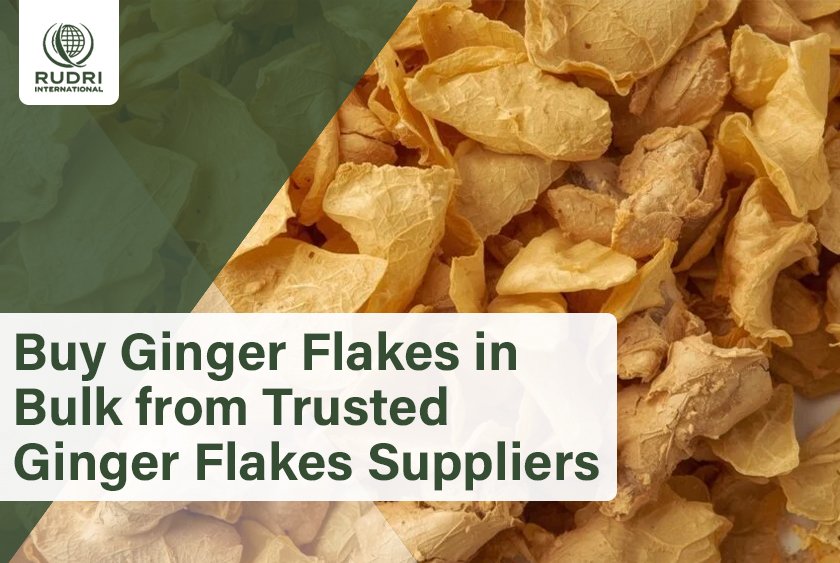
- Dry Ginger: Whole or cut roots that are sun-dried or mechanically dried. They retain essential oils and pungency, making them suitable for bulk food processing, spice blends, and medicinal products. High-grade dry ginger should have low moisture content (less than 12%), uniform color, and minimal fiber.
- Ginger Powder: Obtained by grinding dried ginger, available in coarse, medium, or fine grades. Powder is versatile, used in retail spices, ready-to-use culinary blends, nutraceutical capsules, and beverages. Proper storage in moisture-proof packaging is critical to prevent loss of flavor and potency.
Mini story example: One European spice brand reported that switching from low-quality powdered ginger to Indian-sourced premium ginger powder improved product shelf life by 30% and customer satisfaction due to consistent aroma and color.
Consideration: Analyze your market requirements and choose the product form and grade that maximize consumer appeal and functionality.
Step 3: Identify Key Export Destinations and Market Fit
India exports ginger to over a dozen countries, but buyer expectations vary:
- United States & Europe: High demand for uniform, contaminant-free ginger powder for retail, nutraceuticals, and processed foods. Certifications like USDA Organic, ISO, and EU standards are mandatory.
- Middle East & Southeast Asia: Bulk dry ginger is popular for industrial use in food processing and spice manufacturing. Buyers prioritize price competitiveness and consistent supply.
Trend: Over the past five years, Europe has seen a 12% annual growth in demand for high-quality Indian ginger powder, driven by the rise in herbal beverages and health supplements.
Consideration: Understanding the target market ensures that your purchased product meets both regulatory and consumer expectations.
Step 4: Verify Quality Standards and Compliance
Global buyers cannot compromise on compliance. Indian ginger exporters must adhere to:
- Indian certifications: FSSAI, AGMARK, ISO 22000 for food safety and traceability.
- International standards: EU food safety regulations, USDA organic, and other country-specific import requirements.
Verification tips for buyers:
- Request Certificates of Analysis for each batch.
- Check moisture content (dry ginger <12%, powder <10%).
- Confirm aflatoxin and microbial levels are within safe limits.
Mini example: A North American nutraceutical manufacturer refused a shipment of dry ginger due to elevated moisture content, which could compromise the efficacy of their capsules. Working with a verified supplier prevented future issues.
Consideration: Compliance not only ensures legal import but also preserves your brand reputation.
Step 5: Evaluate Pricing and Market Dynamics
Price fluctuations in Indian ginger depend on:
- Seasonality: Peak harvest months lower cost; off-season procurement raises prices.
- Quality: High-curcumin, fiber-free, and uniformly sized ginger commands premium rates.
- Global demand & currency: Export pricing is affected by the dollar-rupee exchange rate and geopolitical demand-supply dynamics.
Data point: In 2025, the average price for premium dry ginger exported to Europe ranged between $6.50–$8 per kg, while standard-grade ginger powder averaged $4–$5 per kg.
Consideration: Compare multiple supplier quotes, consider long-term contracts, and plan purchases according to seasonal trends to optimize costs.
Step 6: Select Reliable Suppliers
A trustworthy supplier ensures product consistency, compliance, and timely delivery. Look for:
- Verified business licenses and GST registration.
- Transparent sourcing and farm audits.
- References or case studies from existing clients.
- Sample evaluation before placing bulk orders.
Short story: A UK-based importer discovered that a new supplier without proper audits delivered batches contaminated with soil residues. After switching to a verified Indian exporter, batch rejection rates dropped to near zero.
Consideration: Supplier credibility reduces operational risks and ensures smooth international trade.
Step 7: Plan Logistics and Shipping
Proper logistics maintain product quality and prevent losses. Consider:
- Packaging: Moisture-proof, food-grade bags or cartons with tamper-proof seals.
- Transport modes: Air for urgent, smaller shipments; sea for cost-effective bulk shipments; rail for domestic distribution to port hubs.
- Documentation: Phytosanitary certificates, commercial invoices, packing lists, and regulatory approvals.
Consideration: Detailed planning minimizes customs delays and preserves the aromatic and chemical integrity of ginger products.
Step 8: Keep Up with Trends and Innovations
Global demand is shifting toward organic, specialty, and value-added ginger products:
- Organic ginger is 20–30% higher in price due to certification costs and sustainable farming practices.
- Specialty grades, like peeled or high-curcumin ginger, are in demand for nutraceuticals.
- Innovative packaging, such as vacuum-sealed, flavored powders, and pre-mixed blends, adds market differentiation.
Interesting facts:
- India accounts for over 30% of global ginger exports.
- Meghalaya’s high-curcumin ginger is considered premium in EU markets.
- Organic ginger export volume has doubled in the last five years.
- Ginger powder demand in Europe grew 12% annually between 2020–2025.
- Proper packaging can extend powder shelf-life by up to 12 months.
Consideration: Align sourcing strategies with emerging market trends for competitive advantage.
Step 9: Mitigate Risks
Exporting ginger comes with challenges:
- Seasonal fluctuations may affect supply availability.
- Quality inconsistency can lead to batch rejection.
- Regulatory changes in importing countries may delay shipments.
Mitigation tips:
- Diversify suppliers to avoid dependency on a single source.
- Conduct independent lab tests or third-party quality checks.
- Stay updated on international import requirements and market trends.
Consideration: Proactive risk management protects your investment and ensures supply reliability.
Step 10: Follow a Buyer’s Checklist
A structured checklist ensures nothing is overlooked:
- Supplier verification: licenses, certifications, client references.
- Quality standards: moisture content, curcumin levels, aflatoxin testing.
- Pricing & payment terms: clear contracts, bulk discounts, and currency terms.
- Logistics & delivery: packaging integrity, transport mode, and lead time.
- Certifications: FSSAI, AGMARK, ISO, USDA Organic, and EU compliance.
This systematic approach strengthens procurement decisions for dry ginger export from India and ginger powder export from India.
Conclusion: Partnering with Trusted Indian Suppliers
India’s competitive strength in the global ginger market is built on its diverse production regions, scalable processing capacity, and strong alignment with international quality and compliance standards. For global buyers, following a structured sourcing approach - covering quality verification, supplier due diligence, pricing analysis, and logistics planning—helps reduce risk while ensuring consistent product performance.
Among verified exporters, Rudri International stands out as a trusted supplier of dry ginger and ginger powder to international markets. With operations across 12+ countries and a network of over 850 buyers, the company follows an end-to-end export process that includes farm-level audits, batch-wise laboratory testing, compliant packaging, and logistics aligned with FSSAI, FDA, and EU regulations.
Buyers seeking reliable supply, transparent sourcing, and export-ready ginger products can contact Rudri International to discuss specifications, pricing, or bulk procurement requirements, or to learn more about sourcing premium Indian dry ginger and ginger powder for global markets.
Note: If Dry Ginger or Ginger Powder is not listed in the contact form product options, simply select “Ginger” and mention your required product type (dry ginger or ginger powder), specifications, and quantity in the message box for faster assistance.
FAQs
1. What is the difference between dry ginger and ginger powder for international buyers?
Dry ginger is supplied in whole or cut dried root form and is commonly used for bulk processing, spice blending, and medicinal applications where natural oil retention is important. Ginger powder is produced by finely grinding dried ginger and is preferred for retail packaging, nutraceutical formulations, beverage mixes, and ready-to-use food products. Buyers should choose based on end-use, shelf-life requirements, and handling preferences.
2. Which regions in India are best for sourcing export-quality ginger?
India’s export-grade ginger is primarily sourced from regions such as Kerala, Meghalaya, Karnataka, and Himachal Pradesh. Kerala is known for aromatic dry ginger, Meghalaya for premium-grade ginger used in health-focused applications, and Karnataka and Himachal Pradesh for consistent bulk supply. Selecting the right region helps align flavor profile, potency, and processing characteristics with target market requirements.
3. What quality standards should global buyers check before importing ginger from India?
Buyers should verify batch-wise Certificates of Analysis (COA) covering moisture content, microbial limits, and contaminant levels. Export-quality ginger should comply with FSSAI and AGMARK standards in India, along with destination-specific regulations such as EU food safety norms, FDA requirements, or USDA Organic certification where applicable. Independent lab testing and traceability documentation are strongly recommended.
4. How do international buyers ensure consistency when sourcing ginger from India?
Consistency is achieved by working with verified exporters who conduct farm-level audits, standardized processing, batch segregation, and quality checks. Buyers should request pre-shipment samples, review historical test reports, and confirm that suppliers follow documented quality-control and packaging protocols. Long-term supplier relationships also help stabilize quality across shipments.
5. What documents are required to import dry ginger or ginger powder from India?
Typical export documentation includes a commercial invoice, packing list, phytosanitary certificate, certificate of origin, and lab analysis reports. Depending on the destination country, additional documents such as organic certificates or specific food safety declarations may be required. Coordinating documentation in advance helps prevent customs delays and clearance issues.